Jaw Joint Comfort & Mobility Support – for Goats, Dogs, Cattle & Sheep
Write a Reviews
Jaw Joint Comfort & Mobility Support – for Goats, Dogs, Cattle & Sheep
No reviews yet
Jaw Joint Comfort & Mobility Support – for Goats, Dogs, Cattle & Sheep
Educational Overview
What is Temporomandibular (jaw) Joint - TMJ issues
This is the physical joint that connects the jaw to the skull.
What TMJ problems involve: inflammation of the joint, muscle tension around the jaw, misalignment or strain.
Common symptoms:
jaw pain or aching,
clicking or popping,
difficulty opening or closing the mouth,
stiffness or “lockjaw”, pain when chewing
Temporomandibular (Jaw) Joint – TMJ in Dogs
“The jaw joint allows your dog to open and close their mouth.
When it becomes inflamed or tight, it can cause discomfort with eating or chewing.
Many cases involve muscle tension rather than structural damage.”
What It Is
The temporomandibular joint (TMJ) is the hinge joint that connects your dog’s lower jaw to the skull, allowing:
- opening and closing the mouth
- chewing
- normal jaw movement
What Is TMJ Disorder in Dogs?
TMJ problems occur when there is:
- inflammation
- injury or strain
- joint misalignment
- muscle tension around the jaw
It’s less commonly diagnosed than in humans, but it does occur.
Common Causes
- trauma (chewing hard objects, accidents)
- chronic muscle tension
- dental disease
- arthritis in the joint
- excessive chewing or grinding
Signs to Watch For
- reluctance to open mouth
- difficulty chewing food
- dropping food
- jaw stiffness or “locking”
- pain when touching the jaw
- reduced appetite
- subtle behaviour change (withdrawn, irritable)
Important Clinical Insight
Many TMJ - like cases in dogs are actually:
muscle tension + inflammation, not true joint damage
This is why they can:
- fluctuate
- respond to relaxation-based support
TMJ (Jaw Joint) Issues in Farm Animals
“Jaw joint issues can occur in farm animals, particularly when chewing is affected.
Often this is linked to dental imbalance or muscle tension, and early support helps maintain digestion and condition.”

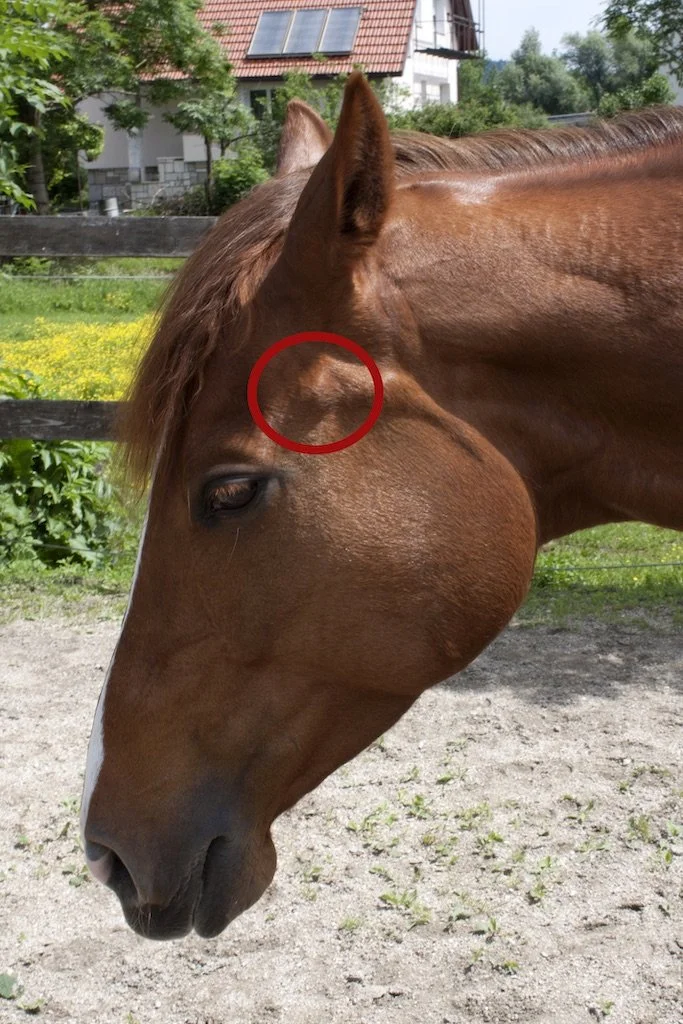
TMJ (jaw joint) issues can occur in farm animals, but they are:
less commonly diagnosed
often missed or mis-attributed
Why It Matters More in Farm Animals
Unlike pets, farm animals rely heavily on:
-
constant chewing
-
grinding food (especially ruminants)
So even mild jaw restriction can impact:
-
digestion
-
weight maintenance
-
productivity
Animals Most Affected
Ruminants (most relevant)
-
cattle
-
sheep
-
goats
Constant side-to-side chewing → more strain on jaw joint
Horses
-
also very dependent on proper jaw motion
-
chewing imbalance can affect:
-
digestion
-
dental wear patterns
-
Common Causes
-
dental imbalance or overgrowth
-
trauma (kicks, hard feed, injury)
-
chronic muscle tension
-
arthritis in older animals
-
mineral imbalances (affecting muscle function)
Signs to Watch (Often Subtle)
-
slower eating
-
dropping feed
-
uneven chewing
-
reduced cud chewing (ruminants)
-
weight loss despite eating
-
behavioural resistance (horses, especially with bit)
Important Insight (This is key)
In farm animals, TMJ problems are often:
secondary to dental issues
Not primary joint disease.
SET OF
Educational Purposes
Holistic Support Approach
Focus on:
✔ Reducing tension
-
soft food temporarily
-
avoid hard chewing items
✔ Supporting comfort
-
gentle rest
-
minimise jaw strain
✔ Nervous system calming
-
stress can increase jaw tension
When to Refer
Important to rule out:
-
fractures
-
severe joint damage
-
dental abscess
-
neurological issues
If a dog cannot open the mouth properly → urgent vet check
Farm Animals Most Affected
Ruminants (most relevant)
-
cattle
-
sheep
-
goats
✔ Address mechanical cause first
-
dental check (especially in horses)
-
ensure feed is appropriate
✔ Reduce strain
-
soften feed temporarily if needed
-
avoid very hard or dry feed
✔ Support muscle relaxation
-
mineral balance (especially magnesium)
-
reduce stress load
When to Take Seriously
-
animal stops chewing cud
-
significant weight loss
-
inability to open/close mouth
These are high-priority cases
In farm settings:
Always think teeth first, joint second
That’s where most problems actually originate.
* Natural pet botanicals are not intended to replace veterinary care or medication. Our formulas are offered as an alternative health support for your animal's condition and not as a cure.
Formulated with plant-based ingredients selected for their gentle role in supporting overall balance and wellbeing.
SET OF 1
Jaw Comfort 321-A formula
Contains:
in 20% USP alc. in purified water.
*Practitioner recommendation:
Use in conjunction with Magnesium supplement
e.g Magnesium drops or powder (on going)
Need more advice or have more questions? Contact us for a FREE consultation with one of our fully qualified practitioners.
These statements are for general wellbeing and educational purposes only. This product is not intended to diagnose, treat, or prevent any disease. Always seek veterinary or professional advice for specific health concerns.
DISCLAIMER
The statements made regarding these products have not been evaluated by the Food and Drug Administration. The efficacy of these products has not been confirmed by FDA-approved research. These products are not intended to diagnose, treat, cure or prevent any disease. All information presented here is not meant as a substitute for or alternative to information from your health care practitioners. The Federal Food, Drug, and Cosmetic Act require this notice.
Educational Overview
What is Temporomandibular (jaw) Joint - TMJ issues
This is the physical joint that connects the jaw to the skull.
What TMJ problems involve: inflammation of the joint, muscle tension around the jaw, misalignment or strain.
Common symptoms:
jaw pain or aching,
clicking or popping,
difficulty opening or closing the mouth,
stiffness or “lockjaw”, pain when chewing
Temporomandibular (Jaw) Joint – TMJ in Dogs
“The jaw joint allows your dog to open and close their mouth.
When it becomes inflamed or tight, it can cause discomfort with eating or chewing.
Many cases involve muscle tension rather than structural damage.”
What It Is
The temporomandibular joint (TMJ) is the hinge joint that connects your dog’s lower jaw to the skull, allowing:
- opening and closing the mouth
- chewing
- normal jaw movement
What Is TMJ Disorder in Dogs?
TMJ problems occur when there is:
- inflammation
- injury or strain
- joint misalignment
- muscle tension around the jaw
It’s less commonly diagnosed than in humans, but it does occur.
Common Causes
- trauma (chewing hard objects, accidents)
- chronic muscle tension
- dental disease
- arthritis in the joint
- excessive chewing or grinding
Signs to Watch For
- reluctance to open mouth
- difficulty chewing food
- dropping food
- jaw stiffness or “locking”
- pain when touching the jaw
- reduced appetite
- subtle behaviour change (withdrawn, irritable)
Important Clinical Insight
Many TMJ - like cases in dogs are actually:
muscle tension + inflammation, not true joint damage
This is why they can:
- fluctuate
- respond to relaxation-based support
TMJ (Jaw Joint) Issues in Farm Animals
“Jaw joint issues can occur in farm animals, particularly when chewing is affected.
Often this is linked to dental imbalance or muscle tension, and early support helps maintain digestion and condition.”


TMJ (jaw joint) issues can occur in farm animals, but they are:
less commonly diagnosed
often missed or mis-attributed
Why It Matters More in Farm Animals
Unlike pets, farm animals rely heavily on:
-
constant chewing
-
grinding food (especially ruminants)
So even mild jaw restriction can impact:
-
digestion
-
weight maintenance
-
productivity
Animals Most Affected
Ruminants (most relevant)
-
cattle
-
sheep
-
goats
Constant side-to-side chewing → more strain on jaw joint
Horses
-
also very dependent on proper jaw motion
-
chewing imbalance can affect:
-
digestion
-
dental wear patterns
-
Common Causes
-
dental imbalance or overgrowth
-
trauma (kicks, hard feed, injury)
-
chronic muscle tension
-
arthritis in older animals
-
mineral imbalances (affecting muscle function)
Signs to Watch (Often Subtle)
-
slower eating
-
dropping feed
-
uneven chewing
-
reduced cud chewing (ruminants)
-
weight loss despite eating
-
behavioural resistance (horses, especially with bit)
Important Insight (This is key)
In farm animals, TMJ problems are often:
secondary to dental issues
Not primary joint disease.
SET OF
Educational Purposes
Holistic Support Approach
Focus on:
✔ Reducing tension
-
soft food temporarily
-
avoid hard chewing items
✔ Supporting comfort
-
gentle rest
-
minimise jaw strain
✔ Nervous system calming
-
stress can increase jaw tension
When to Refer
Important to rule out:
-
fractures
-
severe joint damage
-
dental abscess
-
neurological issues
If a dog cannot open the mouth properly → urgent vet check
Farm Animals Most Affected
Ruminants (most relevant)
-
cattle
-
sheep
-
goats
✔ Address mechanical cause first
-
dental check (especially in horses)
-
ensure feed is appropriate
✔ Reduce strain
-
soften feed temporarily if needed
-
avoid very hard or dry feed
✔ Support muscle relaxation
-
mineral balance (especially magnesium)
-
reduce stress load
When to Take Seriously
-
animal stops chewing cud
-
significant weight loss
-
inability to open/close mouth
These are high-priority cases
In farm settings:
Always think teeth first, joint second
That’s where most problems actually originate.
* Natural pet botanicals are not intended to replace veterinary care or medication. Our formulas are offered as an alternative health support for your animal's condition and not as a cure.
Formulated with plant-based ingredients selected for their gentle role in supporting overall balance and wellbeing.
SET OF 1
Jaw Comfort 321-A formula
Contains:
in 20% USP alc. in purified water.
*Practitioner recommendation:
Use in conjunction with Magnesium supplement
e.g Magnesium drops or powder (on going)
Need more advice or have more questions? Contact us for a FREE consultation with one of our fully qualified practitioners.
These statements are for general wellbeing and educational purposes only. This product is not intended to diagnose, treat, or prevent any disease. Always seek veterinary or professional advice for specific health concerns.
DISCLAIMER
The statements made regarding these products have not been evaluated by the Food and Drug Administration. The efficacy of these products has not been confirmed by FDA-approved research. These products are not intended to diagnose, treat, cure or prevent any disease. All information presented here is not meant as a substitute for or alternative to information from your health care practitioners. The Federal Food, Drug, and Cosmetic Act require this notice.
Related Products
Kidney & Resilience Support Cows, Sheep & Goats (Members Only)
Available for purchase after consultation with a practitioner.
Available for purchase after
consultation with a practitioner.
Become a member, It’s free.
Joint Comfort Support (190)
Sheep, Goat, Cow – Coxiella burnetii Resilience (Members Only)
Available for purchase after consultation with a practitioner.
Available for purchase after
consultation with a practitioner.
Become a member, It’s free.
Arthritis Mobility Support
(1)