Educational Overview
Clumping Kitty Litter
The most common cat litter bentonite clay clumping litter, though they also sell plant-based and crystal types.
Each type has different potential risks for cats.
Here are the main concerns veterinarians usually mention.
With no warnings it can cause on the actual litter bag bought at a store.
Bentonite Clay (Clumping Litter) Risks
Bentonite clay expands and forms hard clumps when wet.
Potential dangers:
- Dust inhalation
- Many clay litters produce fine dust.
- Cats breathing it daily may develop respiratory irritation.
- This can worsen conditions like Feline Asthma or Chronic bronchitis.
Symptoms Owners May Notice
If litter dust is irritating the lungs, a cat may show:
Dry coughing or hacking,
Wheezing,
Rapid breathing,
Open-mouth breathing during attacks,
Reduced exercise tolerance,
Frequent crouched coughing posture (neck extended)
- Ingestion risk
- Cats groom litter dust off their paws.
- If swallowed in large amounts, bentonite can expand with moisture, which may contribute to intestinal blockage (rarer but has been known as an issue - documented).
- Silica dust contamination
- Natural clays sometimes contain trace crystalline silica.
- Long-term inhalation of silica dust can irritate lungs.
If a cat has been chronically inhaling bentonite clay dust from clumping litter, the symptoms can sometimes resemble other lung diseases, including infection or even tumors on imaging.
The reason is that fine clay particles can irritate the airways and lungs, causing inflammation and small nodular changes that may appear as dark or mottled areas on X-rays or CT scans.
Below are the more specific symptoms and patterns veterinarians often look for when respiratory irritation or lung inflammation may be related to inhaled dust.Respiratory symptoms commonly. seen with litter dust exposure.
Breathing changes
- Faster breathing than normal when resting
- Shallow breathing
- Occasional open-mouth breathing (in more severe irritation)
- Increased effort when breathing (abdomen moving more)
Coughing
- Dry cough or hacking cough
- Intermittent coughing fits after activity
- Coughing after leaving the litter box
Wheezing or airway sounds
- Whistling sound when breathing
- Audible airway noise when the cat exhales
- Congested breathing
Sneezing or upper airway irritation
- Frequent sneezing
- Clear nasal discharge
- Nose irritation after using the litter box
Silica Crystal Litter Risks
Some Smitten variants are crystal-based.
Main concerns:
- Sharp granules may irritate paws.
- Dust particles can irritate eyes and airways.
- If eaten, crystals may cause stomach irritation.
However, the silica used in cat litter is usually amorphous silica, which is less hazardous than crystalline silica.
Plant-Based Litter Risks
These contain things like corn or pea fibre.
Possible issues:
- Mould growth if stored damp.
- Attractiveness to cats (some eat it because it smells like food).
- Corn-based litters can theoretically carry fungal spores linked to Aspergillosis, though this is uncommon. How the fungus typically affects cats.
In cats, Aspergillus most often affects the: Nasal passages and sinuses, Respiratory system, Occasionally the skin or deeper tissues The infection usually begins when fungal spores are inhaled.
Common respiratory and nasal symptoms. Early signs often involve the nose and sinuses: Persistent sneezing, Nasal discharge (clear, yellow, or sometimes bloody), Congested or noisy breathing, Swelling around the nose or face. Loss of smell, which can reduce appetite
Higher-Risk Situations
Certain cats are more vulnerable:
- Kittens – more likely to ingest litter while exploring
- Cats with respiratory disease
- Long-haired cats that track litter dust
- Cats with pica (habit of eating non-food items)
✅ Generally safest litter traits:
- Low-dust
- Unscented
- Larger granules (less inhalation risk)
What Many Veterinarians Recommend
For cats with respiratory sensitivity, switching to low-dust litter is often advised, such as:
- Paper litter
- Wood pellet litter
- Tofu litter
- Coconut or walnut litter
- Silica crystal litter (non-dust types)
Unscented products are preferred.
SET OF
Educational Purposes
Invest in a plug in “Air Humidifier”
Check with your nearby Pharmacy as they sell various ones.
Here are some examples
Asthma ABLE Vapour Mist Humidifier $92 AUD
https://medimart.com.au/product/asthma-able-vapour-mist-humidifier/
Able Vapourmist Humidifier $72.99 AUD
https://www.wizardpharmacy.com.au/vaporisers/able-vapourmist-humidifier
ABLE VapourMist Humidifier $62.95 AUD from BigW
https://www.bigw.com.au/product/able-vapourmist-humidifier/p/9900692681
Living Today Mini LED Ultrasonic Humidifier 300ml $37.95 AUD from Kogan.com
https://www.kogan.com/au/buy/yourcart-living-today-mini-led-ultrasonic-humidifier-300ml-44798792106156/?msclkid=0fb295a1e66f1525a5abfc0e671bc917
Fill with fresh water and add a tablespoon of Pure Eucalyptus oil.
Have it set up & in a room were your pet is sleeping. Daytime and/or night time.
This will help clear congestion and aid more oxygen for better breathing.
A humidifier can add moisture to the air, potentially aiding those with pneumonia or other respiratory conditions by easing respiratory symptoms and making breathing more comfortable.
This added moisture can help soothe irritated respiratory tracts, facilitate mucus thinning, and ease breathing. Moist air is gentler on the inflamed lungs and can reduce the harshness of coughs.
Regular Cleaning Routine
Clean your humidifier regularly using soap and water or a vinegar solution to prevent bacterial and mold growth.
Daily Water Changes
Change the water in your humidifier daily to inhibit the growth of bacteria and mold.
Maintain Optimal Humidity Levels
Keep the humidity level in your home between 30-50% to avoid creating a damp environment that fosters bacterial and mold growth.
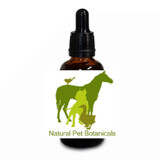
Formulated with plant-based ingredients selected for their gentle role in supporting overall balance and wellbeing.
SET OF 1
1. Broncho-Lung 24-A formula
Contains:
Natrum Muriaticum (Common Salt)
and others
in 20% USP alc. in purified water.
Need more advice or have more questions? Contact us for a FREE consultation with one of our fully qualified practitioners.
These statements are for general wellbeing and educational purposes only. This product is not intended to diagnose, treat, or prevent any disease. Always seek veterinary or professional advice for specific health concerns.
DISCLAIMER
The statements made regarding these products have not been evaluated by the Food and Drug Administration. The efficacy of these products has not been confirmed by FDA-approved research. These products are not intended to diagnose, treat, cure or prevent any disease. All information presented here is not meant as a substitute for or alternative to information from your health care practitioners. The Federal Food, Drug, and Cosmetic Act require this notice.